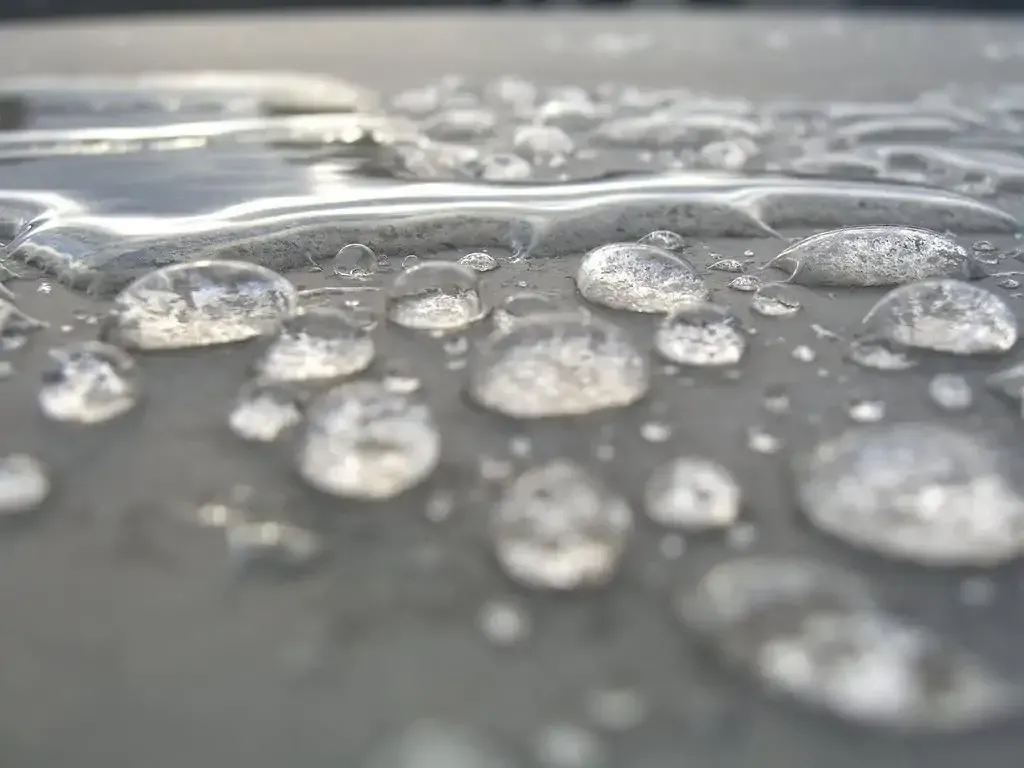
Concrete Saver by GoNano: A Smarter Way to Protect Concrete in Florida
Concrete is one of the most widely used building materials in the world, but that does not mean it is indestructible. In fact, one of the biggest mistakes property owners make is assuming that concrete is maintenance-free just because it looks hard, dense, and permanent.
It is not.
Concrete may look solid from the outside, but it is actually porous. That means water, contaminants, and environmental stress can gradually work their way into the surface over time. Once that process begins, the concrete may start to discolor, weaken, crack, scale, or age much faster than the owner expected.
That is exactly why concrete protection matters.
And in Florida, it matters even more.
Concrete in this state is exposed to moisture, humidity, UV radiation, rain, organic growth, and temperature swings that can accelerate wear over time. Add vehicle traffic, foot traffic, surface contamination, and daily environmental exposure, and it becomes clear that untreated concrete is far more vulnerable than most people realize.
That is where Concrete Saver by GoNano enters the conversation.
This is not just another basic coating discussion. This is about a smarter, more advanced way to protect concrete by focusing on penetration and preservation instead of relying only on old-school surface barriers.
Why concrete needs protection in the first place
Most homeowners and property owners wait until concrete already looks worn before they start thinking about sealing or protecting it. That is backward.
By the time concrete shows clear signs of deterioration, moisture intrusion, contamination, and environmental wear may already be well underway. The visible problem is often just the surface expression of what has been happening over time.
Concrete can be damaged by:
water intrusion,
repeated wetting and drying cycles,
UV exposure,
staining,
organic growth,
chemical contamination,
traffic wear,
and general environmental aging.
A driveway, walkway, patio, pool deck, or concrete slab may appear fine from a distance while already becoming more absorbent, more vulnerable, and less durable than it should be.
That is why concrete protection should be viewed as preservation, not just appearance enhancement.
Why Florida concrete faces a harsher reality
Florida is especially hard on exterior surfaces.
Concrete here is constantly dealing with:
heavy rain,
high humidity,
standing moisture,
intense sun exposure,
mold and mildew pressure,
organic staining,
and environmental residue from outdoor living conditions.
Many owners think concrete problems are only about aesthetics. They see darkening, staining, or surface dullness and assume the issue is visual. But moisture and contamination do not just affect appearance. They affect long-term performance.
When concrete is left unprotected, the surface becomes more likely to absorb what it should be resisting. Over time, that can contribute to deterioration, staining, and reduced service life.
That is why Florida property owners need to think beyond generic concrete sealer language and start asking a better question: what kind of protection actually makes the most sense for long-term concrete preservation?
What makes Concrete Saver different
The older article you shared explains the traditional idea of concrete sealant very well: concrete needs protection from moisture, topical sealers create a barrier on the surface, and penetrating sealers move into the pores of the concrete to help block moisture more effectively.
That is the right starting point.
But if we are talking specifically about Concrete Saver by GoNano, the value proposition is more advanced than simply “putting sealer on concrete.”
Concrete Saver is positioned as a higher-level concrete protection solution designed to work with the structure of the concrete rather than just sitting on top of it. That distinction matters because not all sealers are created equal.
Traditional surface coatings may provide short-term barrier protection, but they can wear unevenly, peel, discolor, or require more frequent reapplication depending on the environment and application quality. By contrast, a penetrating concrete protection technology is designed to go deeper and create more durable resistance within the concrete itself.
That makes the conversation more about long-term protection and less about temporary surface treatment.
Topical sealers vs penetrating concrete protection
To understand why Concrete Saver matters, you first need to understand the difference between the two general categories of concrete sealers.
Topical sealers
These products create a barrier on top of the concrete. They can sometimes add shine or change the visual appearance of the surface. In some applications, that may be desirable.
But topical products often come with trade-offs:
they can wear unevenly,
they may peel or bubble if applied poorly,
they can change surface appearance in ways the owner may not want,
and their performance often depends heavily on surface prep and coating thickness.
Penetrating sealers
These are designed to move into the concrete’s pores and help create moisture resistance from within the substrate instead of only on top of it.
This is generally a stronger strategy for owners who care about long-term protection, especially in environments where moisture exposure is a constant problem.
That is where Concrete Saver becomes much more relevant. The value is not only in sealing the surface. The value is in helping protect the concrete at a deeper level.
Why penetration matters more than appearance alone
A lot of property owners choose concrete protection the same way they choose paint: by looking at the surface result.
That is a mistake.
If the main risk to concrete is moisture intrusion and environmental degradation, then the most important question is not, “How shiny does it look after application?” The more important question is, “How well does it protect the concrete from what is trying to get into it?”
That is why penetrating technology often makes more sense than basic film-forming solutions, especially in Florida.
Concrete that is better protected against water absorption is in a better position to resist:
moisture-related deterioration,
staining,
biological contamination,
and ongoing surface decline.
In other words, the goal is not just cosmetic improvement. The goal is concrete preservation.
Where Concrete Saver makes sense
Concrete Saver can be especially relevant for surfaces such as:
residential driveways,
sidewalks,
patios,
pool decks,
entryways,
pavers and surrounding concrete sections,
and other exposed exterior concrete surfaces.
These are exactly the areas where Florida property owners tend to see the effects of weather exposure, staining, and wear over time.
A driveway may start absorbing more water than it should.
A patio may show dark spots and organic staining.
A walkway may begin looking older than the rest of the property.
A pool deck may experience constant moisture stress.
In all of these situations, the right question is not only how to clean the surface today. It is how to help protect it going forward.
That is where Concrete Saver fits.
Why preparation still matters before application
Even the best concrete protection system can be undermined by weak preparation.
The article you shared correctly emphasizes several critical prep steps before sealing concrete:
the surface should be cleaned,
debris should be removed,
damaged areas should be inspected,
and cracks or problem spots should be addressed appropriately before application.
That still applies here.
A dirty concrete surface should not be sealed as-is. If contaminants, dust, organic residue, or trapped moisture remain present, the application process is compromised from the start.
This is why professional preparation matters.
Before applying Concrete Saver, the surface should be evaluated and prepared correctly so the treatment can perform the way it is intended to perform. Protection without preparation is just wishful thinking.
Why homeowners should not reduce this to a DIY mindset
Concrete sealing often gets treated like a simple hardware-store project. That is another mistake.
The wrong product, poor prep, bad timing, uneven application, or failure to understand the condition of the concrete can all produce weak results. What many property owners think is a “sealer problem” is often actually an application problem.
That is why product selection and professional execution matter.
With an advanced system like Concrete Saver, the point is not just to say that concrete has been treated. The point is to make sure the concrete is being protected in a way that actually supports performance and longevity.
That requires more discipline than a basic DIY coat-and-hope approach.
Common problems untreated concrete faces
Without proper protection, exterior concrete is exposed to an ongoing cycle of deterioration.
Common issues include:
water absorption,
staining,
discoloration,
surface dullness,
organic growth,
weather-related wear,
and premature aging.
Some owners only react once the surface already looks bad. But the smarter move is to treat concrete before those problems become embedded.
That is what preservation thinking looks like.
Just like a roof should be maintained before it fails, concrete should be protected before deterioration becomes obvious and costly.
Why Concrete Saver fits the Roof Saver Florida model
This product fits very well into the broader Roof Saver Florida positioning because the company’s real value is not only about fixing visible problems after the fact. It is about helping homeowners preserve important exterior surfaces before replacement or major decline becomes necessary.
That same philosophy applies to concrete.
A driveway, patio, walkway, or exterior slab is part of the property’s appearance, function, and long-term value. Letting it deteriorate unnecessarily is weak asset management. Protecting it properly is smarter.
That is why Concrete Saver is not just another add-on service. It fits into a larger preservation model:
protect surfaces earlier,
reduce preventable deterioration,
extend service life,
and improve long-term property appearance and performance.
Concrete protection is also a curb appeal issue
Even though performance is the main reason to protect concrete, appearance still matters.
Driveways, walkways, and patios are highly visible parts of the property. When they become stained, discolored, weathered, or generally tired-looking, the whole property can start to feel older and less cared for.
Concrete protection helps support:
a cleaner overall appearance,
better visual consistency,
stronger curb appeal,
and a more finished exterior presentation.
This is especially important for homeowners preparing for resale, investors managing rental assets, and anyone trying to protect the perceived quality of the property.
The key is that the aesthetic benefit should be built on real protection, not just surface cosmetics.
Why long-term thinking wins
The biggest mistake property owners make is waiting until a surface is already too far gone before they act.
That mindset is expensive.
If a concrete surface is part of your property’s function and appearance, it should be protected proactively. The same logic that applies to roofing applies here too: deferred maintenance eventually becomes more expensive than early preservation.
With Concrete Saver, the real opportunity is not just making concrete look better for a moment. It is helping concrete resist the kind of environmental exposure that slowly breaks it down over time.
That is a much smarter reason to act.
Final thought
Concrete may look tough, but in Florida it is constantly under attack from moisture, sun, contamination, and daily wear. Leaving it unprotected is not neutral. It is a decision to let deterioration progress.
That is why a more advanced protection strategy matters.
Concrete Saver by GoNano offers a smarter way to protect concrete by focusing on penetration, preservation, and long-term performance instead of relying only on surface-level solutions.
If you want concrete protection that is aligned with long-term property care, this is the kind of conversation worth having before damage, staining, and decline become harder to reverse.
Ready to get clarity on your concrete surfaces? Visit stoproofreplacement.com to schedule your inspection with Roof Saver Florida.
If you want to learn more about Roof Saver Florida and the products behind our surface preservation approach, visit Roofsavermagazine.com.


