Florida 15-Year Roof Rule in Orlando: What Homeowners Need to Know
If you own a home in Orlando and your roof is getting older, there is a good chance you have heard some version of this statement: once your roof hits 15 years, you have a problem. That message has been repeated so often in Florida that many homeowners now accept it as automatic truth. The problem is that the statement is too simplistic, too vague, and too often used as a pressure tactic.
A roof is not a carton of milk with an expiration date printed on the side. A 15-year-old roof is not identical to every other 15-year-old roof. The real question is not only how old the roof is. The real question is what condition it is in, whether it still has useful life left, whether it is actively failing, and what a qualified inspection actually shows.
That distinction matters because roof replacement is one of the biggest capital expenses a homeowner can face. If a homeowner replaces too early, that can mean spending tens of thousands of dollars before it is truly necessary. If a homeowner ignores a roof that is genuinely failing, that can lead to leaks, deck damage, interior damage, insurance friction, and much higher repair costs down the road. The right answer is not panic and it is not denial. The right answer is evidence.
For Orlando homeowners, this conversation matters even more because the local market is already full of confusion. Insurance concerns, aggressive roofing sales tactics, and general homeowner anxiety have created an environment where many people are pushed toward replacement before they clearly understand their roof’s actual condition. That is exactly why an inspection-first approach matters.
Why the 15-year roof conversation creates so much confusion
Part of the confusion comes from the fact that homeowners hear the same message from different directions. A neighbor says insurance companies do not like older roofs. A contractor says the roof is too old. Someone on Facebook says a roof over 15 years is basically done. Another contractor says the roof still has life left. Then the homeowner is stuck trying to figure out who is telling the truth.
The truth is that age matters, but age by itself is not a complete diagnosis. Roofing systems age differently depending on material quality, ventilation, installation quality, weather exposure, maintenance history, tree coverage, storm exposure, and how well small issues were handled over time. A roof that has been neglected will not age the same way as one that has been maintained. A roof installed poorly from day one will not perform the same way as one installed correctly.
In Orlando, environmental conditions make this even more complicated. Heat, humidity, heavy rains, high UV exposure, wind events, algae growth, and seasonal storm pressure all affect how roofs age. That means two roofs built the same year can be in totally different condition by the time they hit the same age.
That is why the phrase “it is 15 years old” should start the conversation, not finish it.
What homeowners should actually be asking
Instead of asking only, “Is my roof too old?” Orlando homeowners should be asking smarter questions:
Is the roof showing signs of active failure or only signs of age?
Are there leaks or only cosmetic wear?
Are the concerns localized to vents, flashing, sealants, or small sections?
Has the roof been inspected recently by someone focused on condition instead of fear-based selling?
Is there still useful life left in the system?
Are there preventative or preservation measures that make sense before replacement becomes necessary?
Those are the questions that lead to a good decision. Notice what is missing from that list: blind panic.
Why some contractors push replacement too quickly
It is not hard to understand why some roofing companies lead with replacement. Replacement is where the big revenue is. An inspection that leads to a measured, evidence-based discussion is not always the fastest sales path. For some contractors, it is easier to turn age into urgency and urgency into a signed contract.
That does not mean every replacement recommendation is dishonest. Some roofs absolutely need replacement. But homeowners should understand the incentive structure. If the only tool a contractor really wants to sell is replacement, then every older roof starts to look like a replacement candidate.
That is why Orlando homeowners need to separate diagnosis from sales pressure. A diagnosis asks what the roof actually needs. A sales pitch asks what the contractor wants to sell.
Why an inspection-first strategy is the smart move
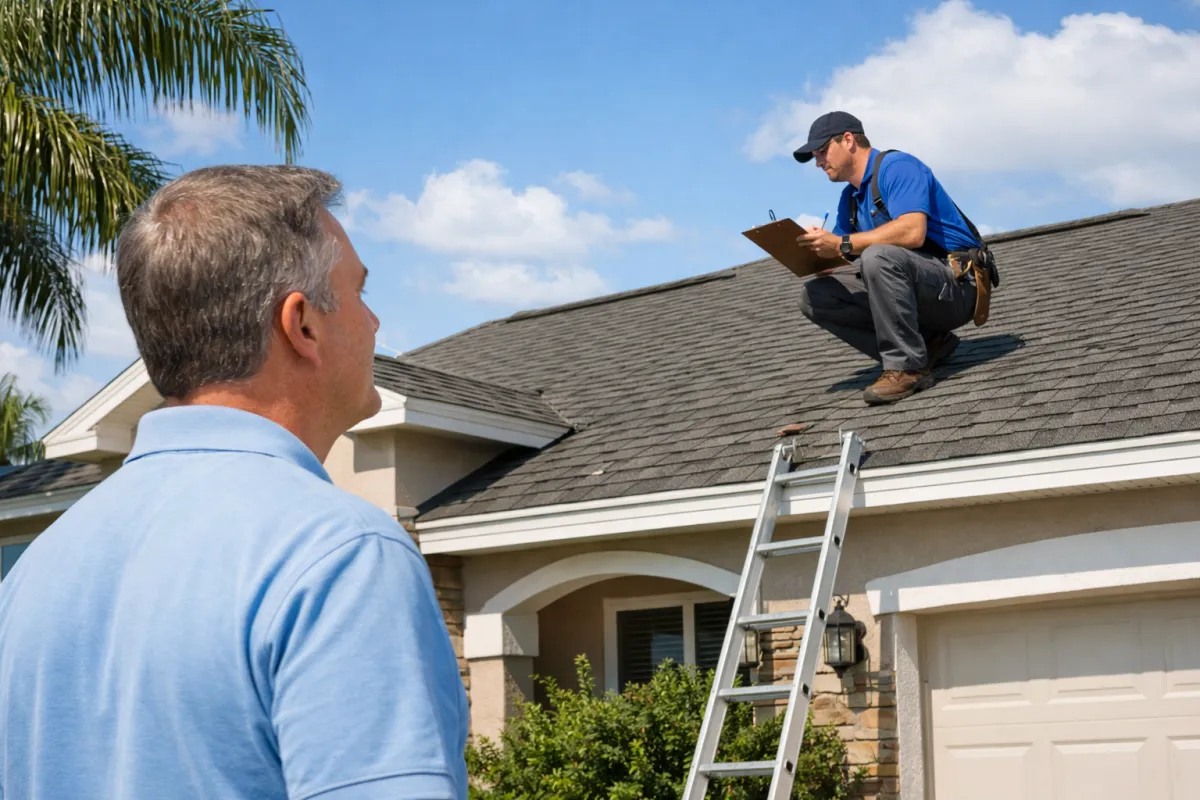
A proper inspection changes the quality of the conversation. Instead of guessing, the homeowner gets a condition-based view of the roof system. That matters because many problems that look dramatic from the ground are not always system-wide failures, and many roofs that look acceptable from the ground may still have hidden vulnerabilities that need attention.
An inspection-first strategy helps identify:
active leaks or moisture intrusion,
shingle wear patterns,
granule loss levels,
penetrations and flashing issues,
signs of prior repairs,
weak points around vents and transition details,
drainage concerns,
and whether deterioration appears isolated or widespread.
Once those facts are on the table, the homeowner can make a rational decision. That decision may be to monitor the roof. It may be to make minor corrections. It may be to evaluate preservation or rejuvenation options where appropriate. Or it may indeed be time to plan for replacement. The key is that the recommendation should come after the evaluation.
What Orlando homeowners risk when they replace too early
Premature replacement is not a small mistake. It is a capital allocation error.
When a homeowner replaces a roof that still had usable life left, that money is gone. It could have been used for reserves, HVAC, windows, kitchen upgrades, debt reduction, emergency savings, or other strategic home improvements. In other words, the cost is not just the replacement itself. The cost is also what that money could have done elsewhere.
Premature replacement also creates a second problem: homeowners begin to think age is the only variable that matters. That mindset weakens long-term roof stewardship. If someone believes the only question is age, they pay less attention to maintenance, leak prevention, early corrections, and system care. That mindset is expensive.
What Orlando homeowners risk when they wait too long
The opposite mistake is just as dangerous. Waiting too long without inspection can turn manageable roofing concerns into broader damage.
A small penetration leak can become damaged decking. A flashing issue can become attic moisture. Interior stains can become drywall damage and mold concerns. What might have been a focused repair conversation becomes a larger restoration conversation.
That is why the smartest posture is not “replace everything” and it is not “ignore everything.” The smartest posture is evaluate early and act intelligently.
How Roof Saver Florida fits into this conversation
Roof Saver Florida is relevant here because the company’s value is not based on creating panic. It is based on helping homeowners understand roof condition and make smarter decisions. That approach matters in a market where too many conversations start at the most expensive option.
An inspection-first, preservation-minded company gives homeowners something that is often missing: context. That context helps answer whether the roof is truly at the end of its service life, whether the issues are isolated, and what path makes the most sense based on evidence rather than emotion.
For some homeowners, that conversation may include planning for future replacement. For others, it may include maintenance, corrective work, or roof rejuvenation discussion where appropriate. The point is that the process begins with understanding the roof, not forcing a predetermined sale.
What homeowners in Orlando should do next
If your roof is around 15 years old or older, do not make the mistake of assuming the answer is obvious. Do not assume the roof is automatically finished. But also do not assume it is fine just because it is not leaking visibly today.
Instead, do what rational homeowners do when the stakes are high: get facts.
A professional roof inspection gives you a better basis for decision-making. It helps you protect your budget, your home, and your timeline. If the roof still has useful life left, that matters. If there are issues that need attention, that matters too. What you do not want is to make a major financial decision based on oversimplified internet advice or a contractor’s fear-based script.
Final thought
The Florida 15-year roof conversation in Orlando is real, but it is also widely misunderstood. Roof age matters, but age alone is not the whole story. Condition, performance, remaining life, and professional evaluation matter more than panic.
If your roof is aging, the best move is to start with a real inspection, understand what is actually happening, and then choose the path that fits the evidence.
Ready to get clarity on your roof? Visit stoproofreplacement.com to schedule your roof inspection with Roof Saver Florida.
If you want to learn more about Roof Saver Florida and the products behind our roof preservation approach, visit Roofsavermagazine.com.


