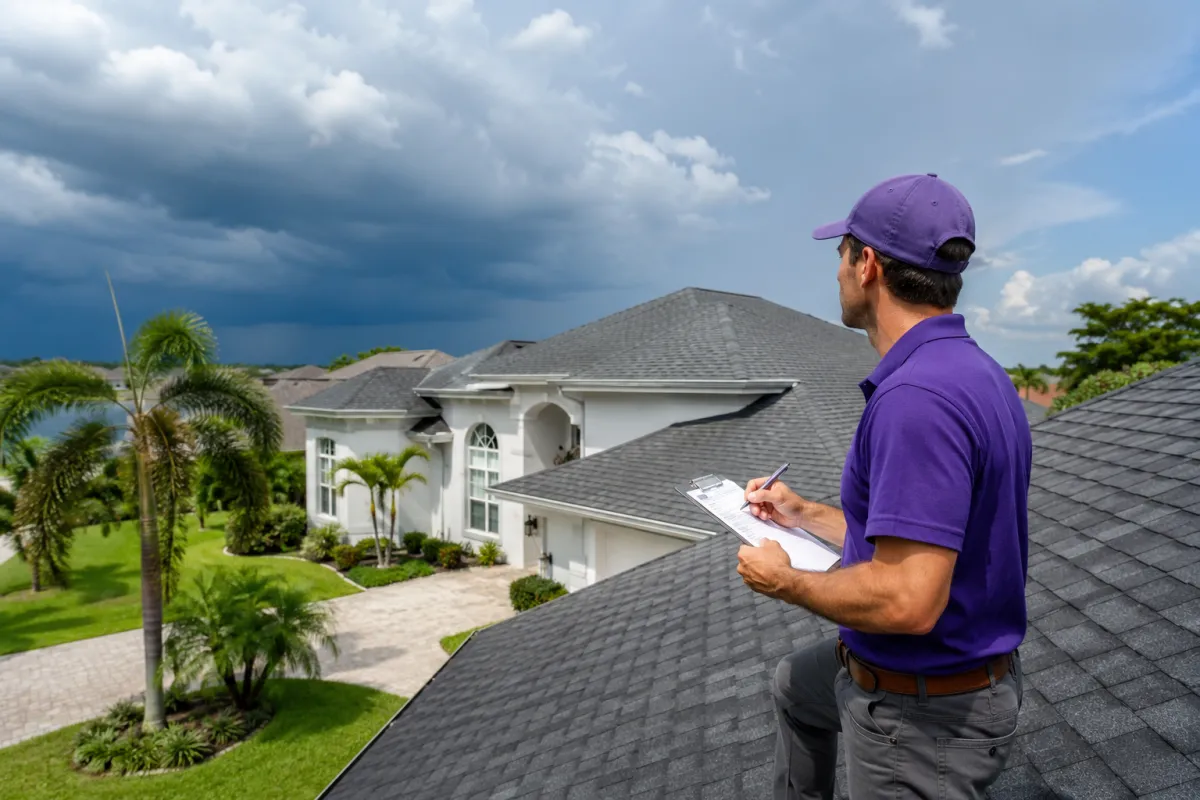
How to Prepare Your Roof for Hurricane Season in Florida
In Florida, hurricane season is not a surprise. It comes every year, and every homeowner knows that at some point between June and November, the weather conversation can change very quickly. One week the sky is clear, and the next week everyone is watching a storm track, checking supplies, and wondering whether the house is truly ready.
Most homeowners prepare the obvious things. They buy water, check batteries, test the generator, trim some branches, and make sure important documents are protected. But many forget the part of the home that takes the first and most direct impact from storm conditions: the roof.
Your roof is your home’s first line of defense against wind, rain, flying debris, and water intrusion. If that roof is already weak before hurricane season begins, a major storm does not have to create a new problem. It only has to expose the problem that was already there.
That is why roof inspection and roof maintenance before hurricane season are so important for Florida homeowners.
Why hurricane roof preparation matters
A roof usually does not fail all at once without warning. In many cases, storm damage begins at weak points.
Those weak points may include lifted shingles, brittle shingles, loose flashing, cracked pipe boots, poor drainage, clogged gutters, exposed nails, damaged ridge caps, or previous repairs that were never properly addressed. These problems may not look dramatic during normal weather. But under hurricane conditions, small vulnerabilities can become large failures.
Wind does not need a large opening to start causing damage. If wind gets underneath a lifted or weakened shingle, it can create uplift pressure. Once one section becomes loose, nearby shingles may become more vulnerable. Then wind-driven rain can enter the roof system, and what started as a minor weakness becomes a much bigger issue.
This is why waiting until a storm warning is a poor strategy. By then, roofing contractors are busy, materials may be limited, and there may not be enough time to make meaningful repairs. The best time to prepare your roof is before the first storm is on the radar.
Start with a pre-season roof inspection
The first step is a professional roof inspection.
Many homeowners assume their roof is fine because they do not see leaks inside the house. That is not enough. A roof can have early deterioration, loose components, aging shingles, or flashing vulnerabilities long before water appears on a ceiling.
A pre-season roof inspection should check for:
Lifted or missing shingles,
Cracked or brittle shingles,
Damaged ridge caps,
Exposed fasteners,
Loose flashing,
Weak pipe boots,
Clogged valleys,
Soft spots where visible,
And early signs of water intrusion.
The goal is not to scare the homeowner. The goal is to give the homeowner clarity. If the roof is in good condition, great. If small repairs are needed, they can be handled before the weather becomes urgent. If the roof needs a bigger discussion, it is better to know that before hurricane season creates pressure.
Handle small repairs before they become major problems
One of the most common mistakes homeowners make is ignoring small roof issues because they do not seem urgent. In Florida, that is risky.
A loose shingle in calm weather may not seem like a big deal. But during a storm, that shingle can become the first failure point. A small flashing gap may not leak during light rain, but wind-driven hurricane rain can push water into places normal rain would not reach.
This is why preventative roof maintenance matters.
Small roof repairs before hurricane season may include replacing damaged shingles, resealing flashing, correcting exposed nails, securing loose components, cleaning valleys, and addressing vulnerable penetrations. These actions may not feel exciting, but they can reduce the chance of storm-related water intrusion.
Smart homeowners do not wait for the roof to fail. They reduce risk before the weather tests the system.
Pay attention to shingle flexibility
Florida heat and UV exposure can age asphalt shingles faster than many homeowners expect. Over time, shingles lose oils, become dry, and lose flexibility. When shingles become brittle, they are more likely to crack, break, or perform poorly under wind stress.
This is where roof rejuvenation may become part of the conversation.
Not every roof qualifies for rejuvenation. A roof must be structurally sound and must still have enough usable life to justify preservation. But for certain asphalt shingle roofs that are aging but not failing, roof rejuvenation may help support flexibility and extend service life.
That does not mean rejuvenation is a replacement for a proper inspection. It means that homeowners should not assume the only two options are “do nothing” or “replace the roof.” In some cases, there may be a preservation path worth considering.
Clean the roof and improve drainage
Hurricane preparation is not only about wind. It is also about water.
Heavy rain can overwhelm weak drainage systems. Clogged gutters, blocked downspouts, debris-filled valleys, and overhanging branches can all create unnecessary stress on the roof.
Before hurricane season, homeowners should clear roof debris, clean gutters, trim branches, and make sure water has a clean path off the roof and away from the home.
This type of roof maintenance is simple, but it matters. Debris can trap moisture. Clogged gutters can cause water backup. Tree limbs can scrape shingles or break during storms. Small maintenance items can become real problems when severe weather arrives.
Document your roof condition
Before hurricane season becomes active, take photos of your roof if it can be done safely from the ground or with help from a professional.
Document each visible slope, gutters, ridge lines, flashing areas, and any known issues. This does not prevent storm damage, but it can help create a record of pre-storm condition. If damage occurs later, documentation may help you understand what changed after the storm.
Homeowners often forget what the roof looked like before a storm. Clear photos can help reduce confusion after the fact.
Why Roof Saver Florida is a smart first call
Roof Saver Florida helps homeowners take a smarter approach to roof decisions. Instead of waiting for a storm to expose roof problems, the better approach is to inspect, maintain, preserve where possible, and replace only when necessary.
A strong roof strategy starts with clarity. Does the roof have vulnerable areas? Are the shingles aging? Are there small repairs that should be handled before storm season? Is the roof a possible candidate for preservation? Or is replacement planning necessary?
Those are the right questions to ask before hurricane season, not after damage has already happened.
Final thought
You cannot control hurricane season. You cannot control storm tracks, wind speed, or how much rain falls in your area. But you can control whether your roof enters the season neglected or prepared.
A Florida roof should not be evaluated for the first time after the storm warning arrives. By then, options are limited and stress is high.
The smartest time to act is before the first storm forms.
Ready to get clarity on your roof? Visit stoproofreplacement.com to schedule your roof inspection with Roof Saver Florida.
If you want to learn more about Roof Saver Florida and the products behind our roof preservation approach, visit Roofsavermagazine.com.


